.jpg)
After years of development and momentum, fiber-to-the-home is now widely recognized as the gold standard for broadband infrastructure: reliable, durable, future-proof, and ultimately worth the investment for a vast majority of areas and communities. But naturally, as adoption has grown and the industry has evolved, so have the pressures and challenges. Deployment costs are high and only getting higher, threatening to slow progress just as demand and funding for FTTx are reaching new highs.
Innovators in the fiber space must thereby recognize that the next critical advancements in the fiber industry will almost certainly not pertain to the cables or the hardware itself. Rather, to ensure that people can continue to reap the benefits of FTTx internet, the most innovative and progressive thinking is actually required for deployment.
The latest Fiber Deployment Cost Annual Report from the Fiber Broadband Association and Cartesian underscores the pressure. Ninety-two percent of network builders reported higher deployment costs in 2025 compared to the previous year. Median underground costs rose to nearly $18 per foot, while aerial deployments climbed past $8. Labor remains the biggest cost driver, accounting for more than 70 percent of underground expenses, followed by materials, permitting delays, and make-ready work. These rising costs are felt most acutely in the field: labor shortages and escalating wages make it harder to staff projects at the pace required. Permitting packages take too long to prepare and too long to approve. Make-ready work drags as teams wait on pole data and incomplete field documentation. With more projects in flight and more funding in play, delays and inefficiencies compound, turning operational gaps into real financial risk.
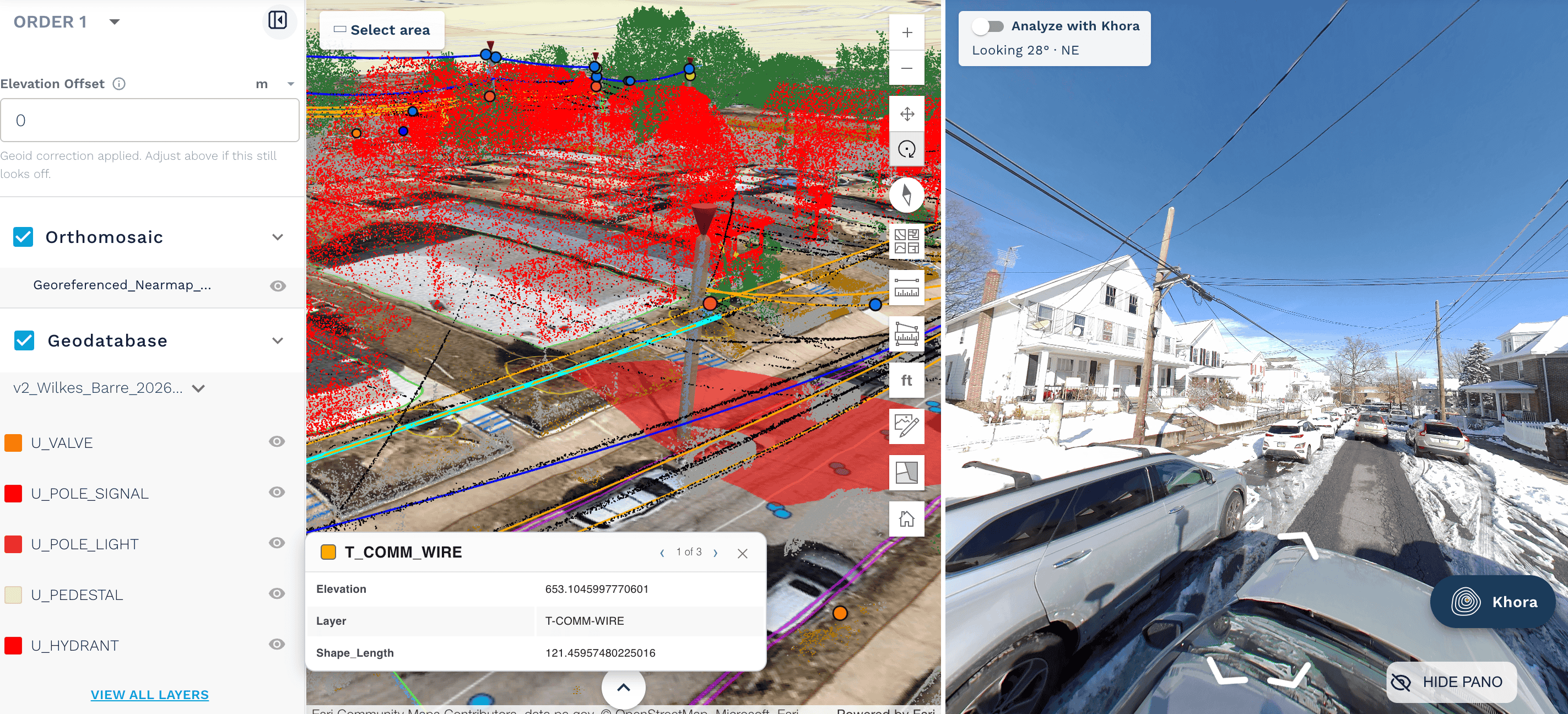
When faced with rising fiber deployment costs, the teams that will stay ahead of the competition are the ones that utilize the latest innovations and technologies to move quicker and automate the most time-consuming and costly parts of the fiber rollout process. AirWorks helps engineering and construction teams move faster without compromising accuracy by leveraging next-gen field data capture technology and automating the production of processed field intelligence. Instead of spending hours manually tracing features for permitting or pole assessments, teams can generate flexible deliverables in a fraction of the time. That means less labor required, fewer field revisits, and faster turnaround on assignments that are often delaying project timelines.
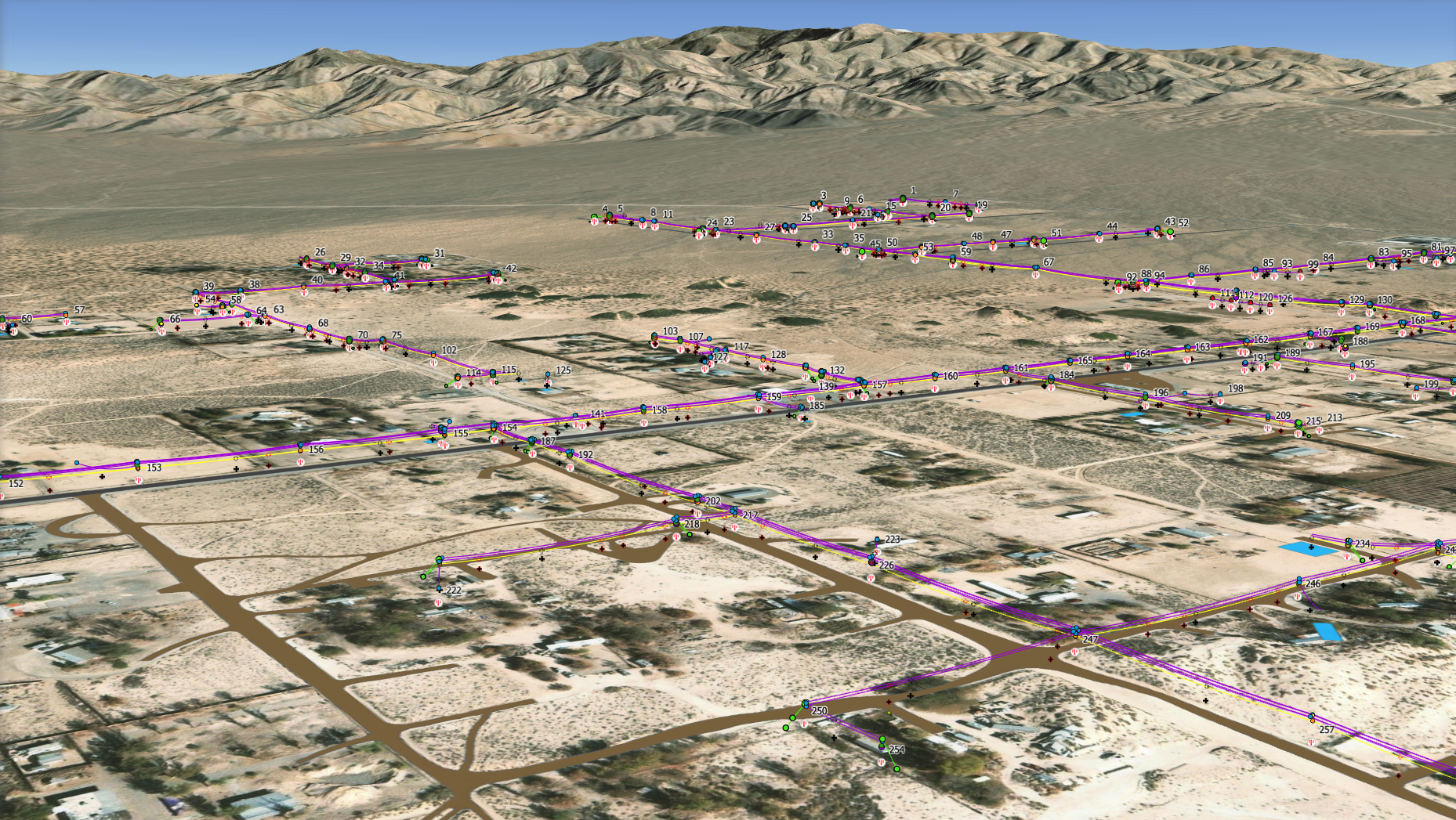
Permitting remains one of the most persistent bottlenecks in FTTx deployment, especially in suburban or constrained corridors. Agencies often require detailed, well-documented submittals that align with specific right-of-way conditions, utility locations, and existing infrastructure. As telco engineers know, proper permitting execution can be the difference between a successful and an unsuccessful fiber rollout; simple as that. AirWorks accelerates this process by extracting accurate surface features, pole details, and surrounding context directly from field data, producing clean, submission-ready layers in the formats agencies expect. This reduces back-and-forth, lowers rejection rates, and gives teams a faster path to approved permits.
Fiber deployment is not easing up. With BEAD funding unlocking tens of billions in new projects and operators racing to expand coverage, the next phase of growth will be faster, broader, and more heavily scrutinized. At the same time, the economics are tightening. Rising labor costs, permitting delays, and coordination challenges aren’t short-term setbacks; they’re structural realities. In this environment, the margin for inefficiency is gone, and the difference between a profitable project and one that drags on comes down to execution.
That’s why operational discipline matters more than ever. Teams that continue to rely on manual processes and field-intensive workflows will struggle to keep up with the volume and pace of the work ahead. The ones that succeed will be those who treat accuracy, speed, and repeatability as core infrastructure, starting from day one of a project. For firms building the next generation of broadband, the work isn’t just about getting fiberoptic cables in the ground or on the poles. It’s about doing it smarter, faster, and at scale.
%20(411%20x%20258%20px)%20(1).png)

.png)
.png)

